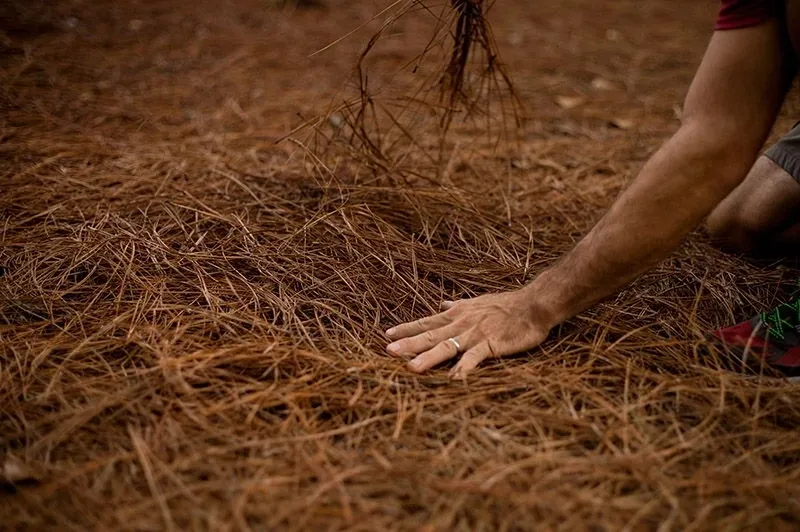
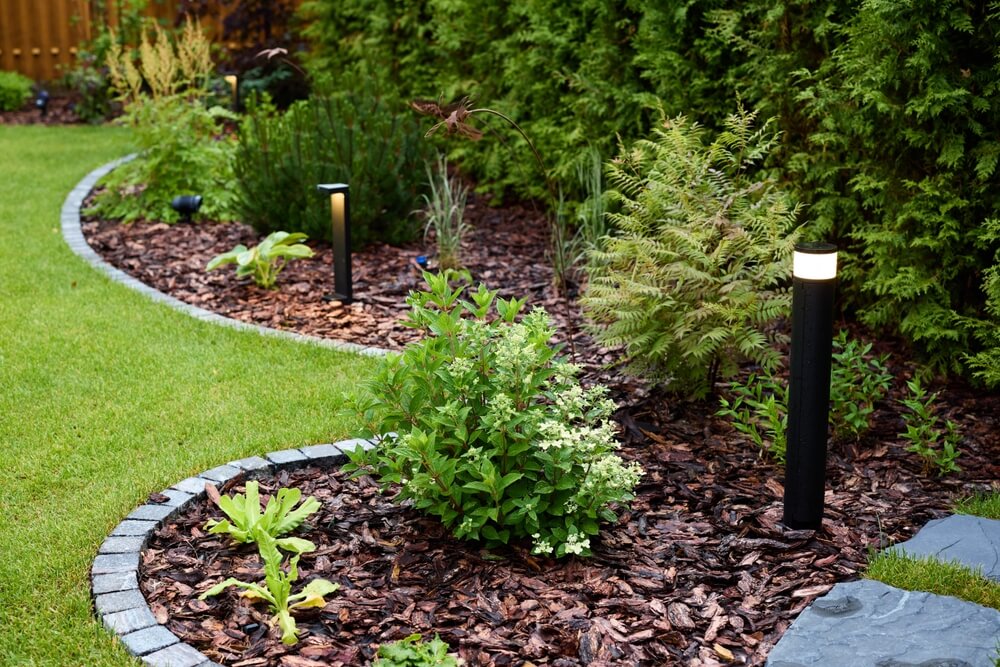
We’re facing a critical need to reimagine traditional landscaping practices as environmental pressures mount. While conventional mulch serves its purpose, it often comes with hidden ecological costs—from harvesting impacts to treatment chemicals. Fortunately, we’ve identified five sustainable alternatives to mulch that not only protect your garden beds but also contribute positively to your local ecosystem. These options reduce waste, conserve resources, and create healthier soil systems while maintaining the aesthetic and functional benefits you’re looking for.
Key Points
- Compost delivers microorganisms and nutrients to soil while recycling kitchen and yard waste into premium amendments.
- Living groundcovers like thyme, sedum, and clover suppress weeds while providing habitat for pollinators and wildlife.
- Grass clippings and fallen leaves from your yard offer free, nutrient-rich mulching material that reduces landfill waste.
- Crushed shells and decorative stones provide long-term, low-maintenance mulching solutions with excellent drainage benefits.
- Recycled rubber diverts tires from landfills, offers 7-10 years of weed suppression, and works well in high-traffic areas.
Compost: The Living Alternative That Enriches Your Soil
While traditional wood mulches serve their purpose, compost stands out as the most biologically active alternative for sustainable landscaping. We’re not just creating a barrier against weeds; we’re building a living ecosystem that continuously feeds your soil.
Compost delivers a dynamic blend of beneficial microorganisms, organic matter, and nutrients that wood mulches simply can’t match. It’s a closed-loop solution: kitchen scraps, yard waste, and fallen leaves transform into premium soil amendment right in our own gardens.
Unlike static mulches, compost actively improves soil structure and water retention while naturally suppressing pathogens.
We’ve found that a 2-3 inch layer provides ideal benefits. For best results, apply it seasonally and watch your garden thrive with minimal additional inputs.
At Clean Cut Landscape Co., our experienced horticulturist works one-on-one with clients to implement the most effective compost solutions for New Orleans’ unique growing conditions.
Living Groundcovers: Beautiful Plants That Suppress Weeds
When considering truly regenerative landscaping options, living groundcovers emerge as perhaps the most elegant mulch alternative available to gardeners. These low-growing plants create a living carpet that smothers weeds while building soil health through constant organic matter cycling.
We recommend drought-tolerant options like creeping thyme, sedum, or clover that thrive with minimal maintenance. Their dense root systems prevent erosion while their foliage shades soil, reducing water evaporation and moderating temperature fluctuations.
Unlike conventional mulch, groundcovers actively sequester carbon and provide wildlife habitat. Many varieties offer seasonal blooms that support pollinators—something bark chips simply can’t do. Implementing living groundcovers can be included in moderate projects that typically range from $10,000 to $25,000 depending on your property size and design complexity.
Grass Clippings and Fallen Leaves: Free Resources From Your Own Yard
Many homeowners overlook two of the most abundant and effective mulching materials available—grass clippings and fallen leaves already present in their yards. These yard “waste” products are actually free nutrient-rich resources that we can easily repurpose into effective mulch.
| Material | Benefits | Application Tips |
|---|---|---|
| Grass Clippings | High nitrogen content, quick decomposition | Apply in thin layers (1–2″), dry slightly first |
| Fallen Leaves | Excellent insulation, soil enrichment | Shred before applying, 3–4″ depth ideal |
| Mixed Blend | Balanced nutrients, improved texture | Layer alternately, 50/50 ratio works best |
We’ve found that combining these materials creates an ideal carbon-to-nitrogen ratio that breaks down efficiently. By recycling these yard resources, we’re creating a closed-loop system where nothing leaves our property—nutrients cycle directly back into our soil while reducing landfill waste. Applying these natural mulches in the morning helps retain moisture and provides thorough, deep watering for your landscape during the intense summer heat.
Crushed Shells and Stone: Durable Options With Minimal Maintenance
For landscapes requiring more permanent mulching solutions, crushed shells and decorative stone offer exceptional durability while providing distinctive aesthetic appeal. These materials don’t decompose, eliminating the need for annual replacement that organic mulches require.
We’ve found that crushed oyster and clam shells work beautifully in coastal-themed gardens, while river rock and pea gravel complement modern landscapes. They’re particularly effective in areas prone to erosion or heavy rainfall, as they won’t wash away easily.
Unlike wood mulches, stone options don’t attract pests and won’t affect soil pH. They allow excellent drainage while suppressing weeds effectively.
Though the initial investment is higher, the long-term value is undeniable – we’re talking decades of performance with minimal maintenance. Let’s consider these sustainable alternatives as investments in our landscapes’ future.
These inorganic mulch alternatives provide the same weed suppression benefits as regular mulch without requiring regular division like overcrowded iris plants need every 3-4 years.
Recycled Rubber: Transforming Waste Into Garden Protection
Recycled rubber mulch represents one of today’s most innovative sustainable landscaping solutions as it diverts millions of tires from landfills annually while providing excellent garden protection. When we choose rubber mulch, we’re participating in a circular economy that transforms environmental problems into practical solutions.
This material excels in weed suppression and doesn’t decompose like organic options, meaning we won’t need to replace it frequently. It’s particularly effective for playgrounds and high-traffic areas due to its shock-absorbing properties and durability in all weather conditions.
While initially more expensive than traditional mulch, we’re investing in a product that lasts 7-10 years without fading or breaking down. For eco-conscious gardeners seeking low-maintenance alternatives, recycled rubber offers both environmental benefits and exceptional performance.
For homeowners with drip irrigation systems, rubber mulch provides an ideal partnership as it allows water to penetrate while minimizing evaporation and runoff.
Frequently Asked Questions
How Do Sustainable Mulch Alternatives Affect Soil Ph Levels?
We’ve found that sustainable mulch alternatives impact soil pH differently — compost tends to neutralize, pine needles acidify, and coconut coir maintains stability. Let’s choose options matching our plants’ specific needs.
Can Sustainable Mulches Repel Specific Garden Pests?
Yes, we’ve found cedar, pine, and eucalyptus mulches naturally repel many insects. We’re seeing encouraging results with aromatic wood chips deterring slugs, snails, and some borers through their natural oils.
Which Alternatives Work Best in Extreme Weather Conditions?
For extreme weather conditions, we’ve found that coconut coir, recycled rubber, and gravel excel. They’re resistant to washout during heavy rains and provide insulation during temperature fluctuations. Let’s protect our gardens sustainably together!
How Do Sustainable Mulches Compare in Cost to Traditional Options?
We’ve found sustainable mulches like compost and grass clippings are typically cheaper than store-bought wood chips, while rubber or plastic options cost more initially but last longer, reducing replacement expenses over time.
Are There Toxic Sustainable Mulch Options to Avoid Around Pets?
We’d caution against cocoa hull mulch, which contains theobromine that’s toxic to pets. Also avoid mulches treated with dyes or chemicals. Instead, we’re recommending pet-safe options like straw or untreated wood chips.
Takeaway
We’ve explored five sustainable mulch alternatives that enrich our landscapes while protecting our planet. By choosing compost, living groundcovers, yard waste, crushed shells, or recycled rubber, we’re reducing waste, conserving resources, and creating resilient ecosystems. Let’s implement these solutions to minimize our environmental impact and maximize garden health. Our landscaping choices directly impact local biodiversity and climate resilience—small changes that contribute to meaningful environmental protection.