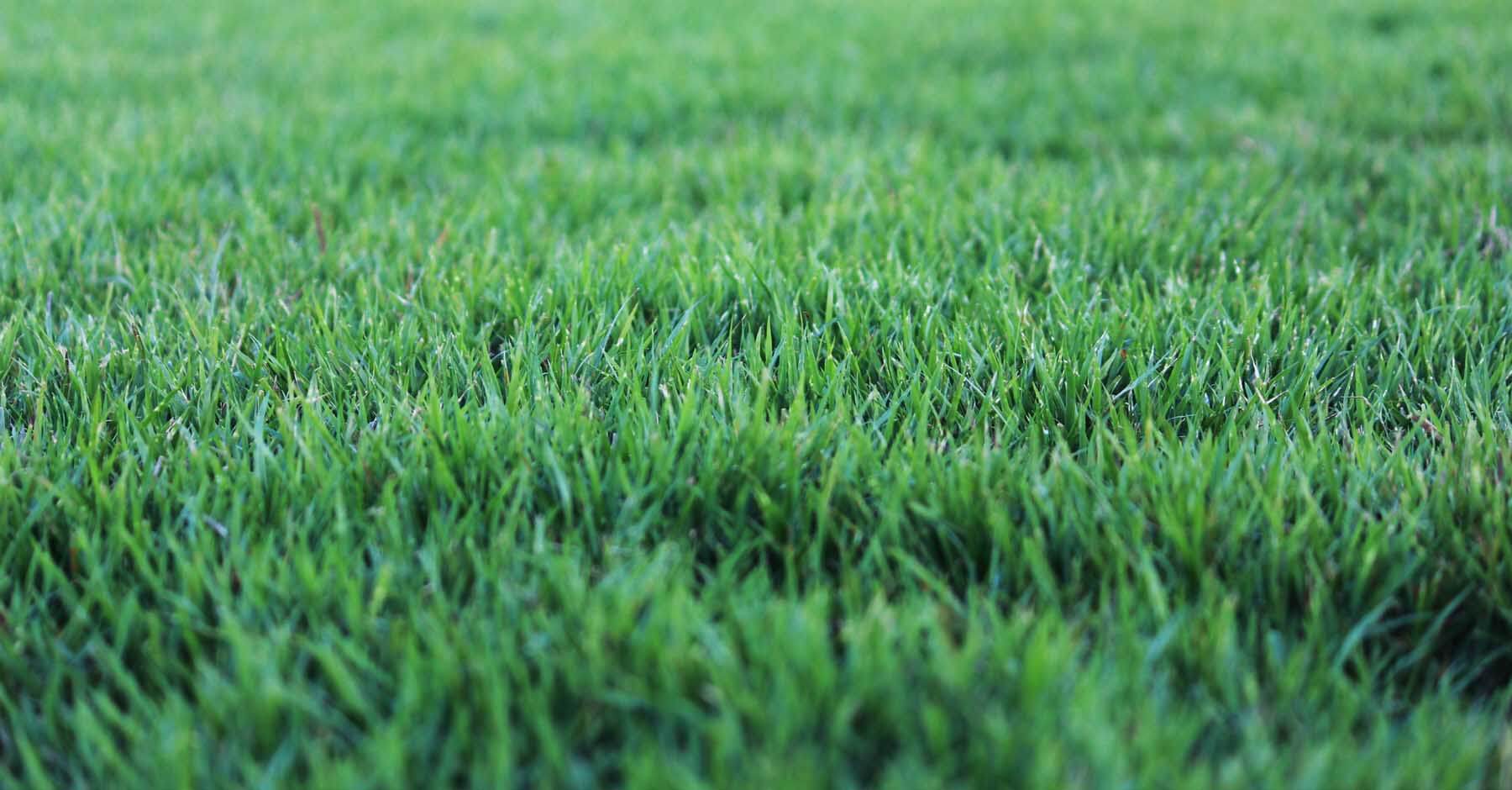
Drought-tolerant grasses now represent a crucial selection for sustainable landscaping practice in our water-sensitive times. This review focuses on several strong grasses which require minimal watering but remain visually appealing. These drought-resistant options combine Bermuda’s desert resistance with Buffalo grass’s native prairie tolerance and Zoysia’s attractive appearance in water-restricted conditions. Your lawn needs evaluation for climate conditions and soil type and aesthetic choices which we will assist you in identifying.
Key Points
Bermuda grass provides superior drought tolerance through its 6-8 foot deep roots and needs only 1-1.25 inches of water per week.
The drought tolerance of Buffalo grass surpasses conventional turf by 50-75% while it needs only one or two seasonal mowing sessions.
The water needs of Zoysia grass decrease by half while it retains its attractive appearance with easy upkeep requirements.
Bahia grass develops deep roots which extend from 7 to 10 feet beneath the soil surface and it maintains its looks when dry conditions persist.
The southwestern xeriscaping landscape benefits from Blue Grama Grass because it needs only 12 inches of yearly rainfall together with low upkeep requirements.
Warm-Season Bermuda Grass: A Desert-Dweller’s Dream
The drought-tolerant landscaping community depends on Bermuda grass (Cynodon dactylon) as its foundation for desert areas that need water conservation.
The desert landscape depends on Bermuda grass as its primary drought-resistant element for water-saving purposes.
Bermuda grass provides superior resistance to drought because it functions as the base element for water-efficient desert landscapes.
We have observed this warm-season perennial performs best in USDA zones 7-10 by needing 1-1.25 inches of weekly water supply during active growth periods.
The extensive root system of Bermuda grass extends from 6 to 8 feet deep which enables it to pull moisture from dry soil.
Bermuda grass retains its vibrant green color after proper establishment during heat waves above 100°F.
The recommended mowing height of 1-2 inches will help promote lateral growth while making the grass more resistant to drought.
Our community members who want sustainable landscapes should choose Bermuda grass because it requires minimal fertilizers and has natural pest resistance which results in reduced water usage and lower maintenance needs. Homeowners who need shade tolerance in their lawn should evaluate Zoysia grass varieties instead of Bermuda grass because these options maintain drought resistance with better shade tolerance.
Buffalo Grass: Native Prairie Solution for Water Conservation
Our research indicates Buffalo grass (Bouteloua dactyloides) needs 50-75% less irrigation compared to conventional turf while functioning as a perfect native selection for water-restricted areas.
The grass draws moisture from the soil effectively because its roots reach 6-8 inches deep during dry times and needs only 1-2 seasonal mowings for maintenance.
The natural ability of Buffalo grass to thrive in North American prairies leads to the development of an environmentally friendly lawn system which saves resources while preserving beauty during hot summer months.
Bermuda Grass and Buffalo grass both demonstrate high drought tolerance and require little water after establishment thus making them suitable for homeowners who wish to lower their resource usage.
Low-Water Native Option
Homeowners who reside in arid regions face difficulties with their turf maintenance until they discover Buffalo grass (Bouteloua dactyloides) which serves as an outstanding native alternative requiring small amounts of water.
This prairie grass needs only 1-2 inches of water each month during its growing season which represents a 75% decrease from the water needs of Kentucky bluegrass.
The deep roots of Buffalo grass reach 6-8 feet underground to access water that other shallow-rooted plants cannot reach.
The plant thrives in USDA zones 3-10 and shows natural resistance to alkaline soils which have pH levels ranging from 6.5 to 8.0.
The ideal time to plant this species emerges when soil temperatures exceed 60°F during late spring.
The established grass displays a blue-green fine-textured appearance which produces a smooth uniform lawn that requires only monthly mowing at 2-3 inches height.
Minimal Maintenance Benefits
The water-saving characteristics of Buffalo grass come with additional maintenance advantages that result in reduced maintenance expenses and time for property owners. The native prairie grass establishes itself to need only 2-3 annual mowing sessions because it maintains its fine-textured blue-green appearance whereas traditional turf needs weekly maintenance.
The dense growth habit of Buffalo grass naturally suppresses weeds which makes chemical herbicides unnecessary. This grass flourishes without fertilizer input because it naturally adjusts to native soil environments. The grass has a remarkable drought recovery capability through its deep root system which reaches 6-8 feet underground without needing irrigation systems.
These maintenance efficiencies bring us more than practical convenience since they represent sustainable living solutions for our community. The reduction of fossil fuel use in mowing tools together with chemical avoidance allows us to build landscapes which preserve local cultural heritage while solving present-day ecological problems.
Zoysia Grass: Drought Tolerance Meets Lush Appearance
The drought-resistant characteristics of Zoysia grass pair well with its attractive appearance that appeals to many residential landscape owners.
Our analysis will demonstrate that this adaptable grass species decreases water usage by 50% compared to common turf species while needing minimal maintenance activities such as mowing and fertilizing and pest control.
The discussion will include fundamental installation methods which include suitable soil preparation steps alongside suitable planting periods together with establishment procedures that enhance Zoysia’s drought tolerance features.
When installing Zoysia sod for optimal growth choose the appropriate local climate conditions for your specific area.
Water Conservation Benefits
Modern landscaping demands large water consumption for beauty maintenance yet Zoysia grass provides exceptional water preservation advantages without compromising on appearance.
Our research indicates Zoysia grass irrigation needs decrease by 30-50% when homeowners switch from Kentucky bluegrass or fescue traditional turfgrasses.
The water conservation happens through two Zoysia adaptations: deep roots that reach underground water sources and specialized leaf structures which reduce water loss during transpiration.
We recommend watering established grass only when visible drought stress occurs because the grass needs watering every 10-14 days during summer heat.
Many members within our community have experienced lower water expenses without compromising their neighborhood-friendly landscape appearance.
Zoysia serves as an environmentally and economically beneficial investment for dry regions because it generates annual savings through reduced water consumption.
Minimal Maintenance Requirements
The majority of homeowners face lawn care demands that use their weekends and drain their resources but Zoysia grass provides effortless lawn care and drought tolerance features.
Our research shows that established Zoysia grass needs half to three-quarters less lawn maintenance compared to traditional turf varieties thus reducing your equipment fuel expenses and maintenance time substantially.
The natural density of Zoysia grass prevents weed competition thus requiring minimal herbicide applications.
The deep root system of Zoysia efficiently extracts nutrients from the soil so that fertilization needs are limited to once or twice per year.
Zoysia demonstrates a unique ability to enter a dormant state during dry periods while keeping its health intact before quickly reviving when water becomes available.
The combination of Zoysia grass with smart irrigation controllers creates a complete set-and-forget lawn system which will make your neighbors impressed while restoring your weekend freedom.
Installation Best Practices
The correct installation of Zoysia grass lays the groundwork for both drought resistance and long-term visual appeal.
We suggest preparing the soil by clearing all existing plants while adding 2-3 inches of compost to enhance drainage together with moisture storage properties.
The best time to install Zoysia is late spring when soil temperatures remain at 70°F.
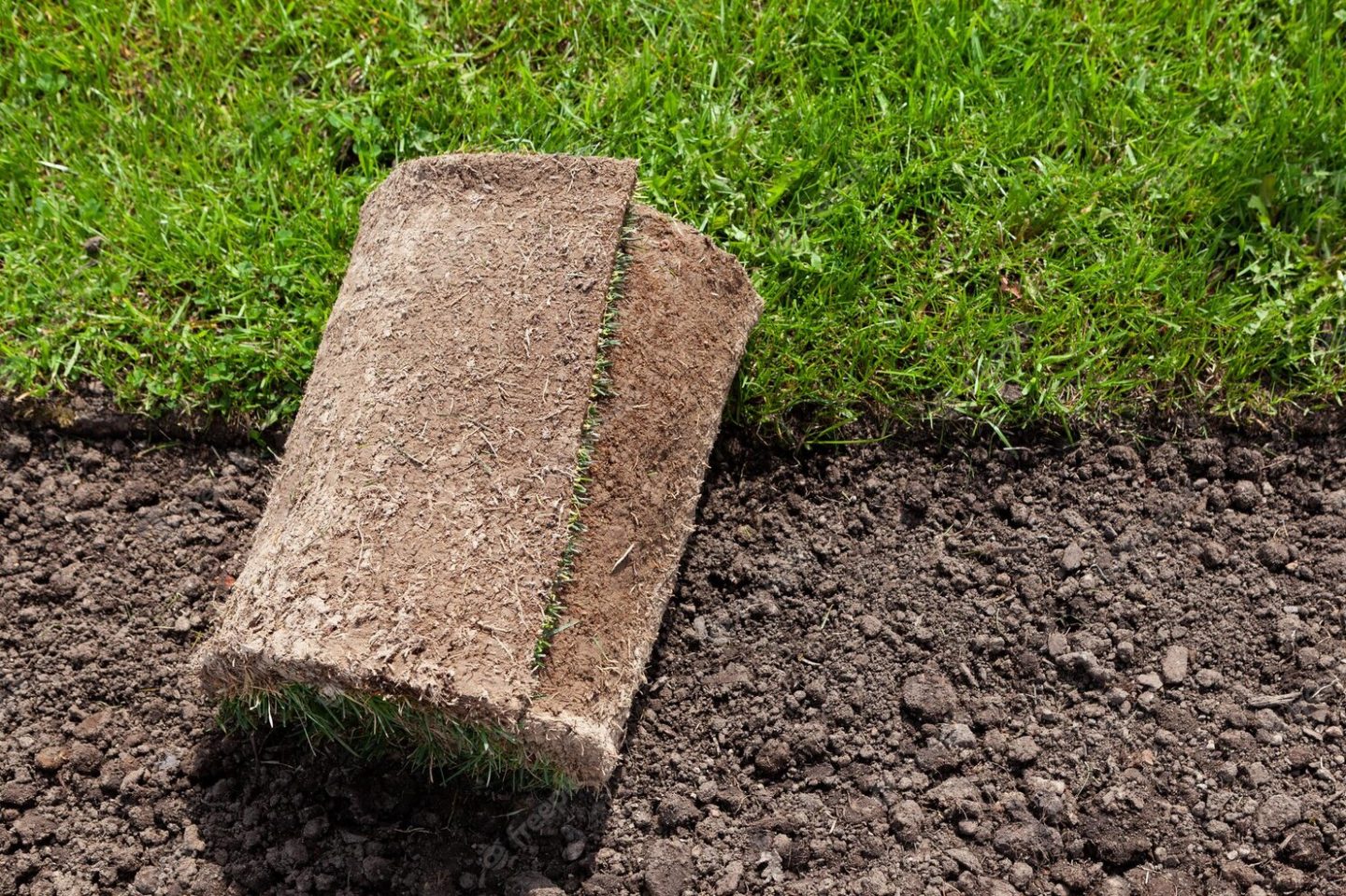
Sod pieces should be placed tightly against each other to prevent weed growth in any empty areas.
The placement of Zoysia plugs should be done 6-12 inches apart in a diamond pattern to achieve faster coverage.
After installation we will perform deep but rare watering amounts to 1 inch twice per week during the first month before decreasing the frequency to allow deep root system development.
The installation process calls for phosphorus-rich starter fertilizer followed by nitrogen-based fertilizer during the first mowing session which happens about two to three weeks after installation.
Bahia Grass: Resilient Option for Sandy Soils
Bahia grass (Paspalum notatum) proves to be an excellent choice for homeowners who face sandy soil conditions in areas with frequent drought.
Bahia grass demonstrates outstanding drought tolerance through its extensive root system which extends from 7-10 feet below ground while also preventing soil erosion in sandy conditions.
The installation of Bahia grass allows us to utilize its remarkable ability to thrive in poor soil conditions.
The turf variety requires half the amount of fertilization needed for other species while keeping its appearance good during dry spells.
Despite its coarse texture and open growth pattern that prevents a St. Augustine look it excels in toughness.
The southern region should use Argentinian ‘Argentine’ cultivars because they provide better cold tolerance and denser coverage than common Bahia varieties while still adapting to our sandy landscapes.
Mondo grass cultivars serve as an alternative drought-resistant landscaping solution because they provide multiple height options and weed suppression features for your design.
Tall Fescue Shows Outstanding Resistance to Drought Conditions
Our drought-resistant landscaping features Tall fescue (Festuca arundinacea) because it possesses deep-rooted characteristics which reach soil depths of 2-3 feet beyond typical cool-season grasses.
The deep-rooted turf warrior tall fescue reaches depths of 2-3 feet underground to reach water sources that cool-season grasses cannot access.
The deep root network allows the plant to reach water storage deep beneath the surface.
The following characteristics explain why tall fescue performs well in demanding situations:
The grass remains green during moderate dry spells while requiring no supplemental watering.
Endophytes present in tall fescue enhance both its ability to handle stress and its immunity to pests.
The watering needs of tall fescue grass are 25-30% lower than those of Kentucky bluegrass.
This grass variety performs best in regions with climate change zone ratings between 6 and 7.
The grass becomes active once moisture returns after its dormant period.
The combination of attractive turf appearance and water conservation features makes tall fescue an ideal choice for homeowners in our community who want year-round lawn performance without excessive watering especially in partially shaded areas.
Tall fescue benefits from regular lawn aeration practices because this maintenance technique enables water and nutrients to reach its deep root system.
Sheep Fescue and Other Fine Fescues for Arid Landscapes
Sheep Fescue (Festuca ovina) stands as our top choice for extremely arid landscapes since it belongs to the fine fescue group which offers superior drought resistance compared to tall fescue in dry environments.
These tufted perennials need half the watering amount of regular turf while keeping their blue-green leaves attractive during prolonged dry times.
Our research indicates that fine fescues succeed in USDA zones 4-8 under minimal care.
Their fibrous root systems stretch to 12 inches deep into subsoil areas where other grasses cannot access moisture.
The combination of Sheep Fescue (Festuca brevipila) and Chewings Fescue (Festuca rubra commutata) delivers outstanding drought-tolerant performance in dry areas.
These grasses provide our community’s low-maintenance landscapes with no requirement for frequent mowing since they need only 2-3 annual cuts when maintained at meadow-like heights.
The addition of selective mulching around these grasses protects soil moisture while delivering vital nutrients to the plants which results in decreased water usage in your drought-resistant landscape.
Wheatgrass Varieties: Ornamental and Functional Choices
Wheatgrass species add outstanding value to drought-tolerant landscapes because they deliver both decorative features and useful operational advantages.
These hardy grasses succeed in dry conditions throughout the year while needing minimal watering for their decorative appearance.
Select the following exceptional wheatgrass varieties when building your xeriscape:
Crested Wheatgrass (Agropyron cristatum) – Offers outstanding erosion protection through its deep root system
The grass Bluebunch Wheatgrass (Pseudoroegneria spicata) displays blue-green leaves and elegant seed clusters.
Western Wheatgrass (Pascopyrum smithii) grows through rhizomes that form thick vegetation to support slope stability.
Slender Wheatgrass (Elymus trachycaulus) – Establishes quickly with fine-textured foliage that complements native plantings
Streambank Wheatgrass (Elymus lanceolatus) demonstrates superior drought tolerance along with its ability to flourish in poor soil conditions.
The strategic placement of wheatgrass varieties across your landscape will achieve both visual excellence and water-saving advantages.
Wheatgrasses function like maiden grass and switchgrass to stabilize clayey soils while preventing erosion in demanding landscapes.
Blue Grama Grass: Southwestern Favorite for Minimal Irrigation
The southwestern xeriscaping community recognizes Blue Grama Grass (Bouteloua gracilis) as one of North America’s most resistant native grasses because of its ability to thrive with minimal water supply. This prairie grass thrives with as little as 12 inches of annual rainfall, making it ideal for our water-conscious landscapes.
The unique eyelash-shaped seed heads of Blue Grama provide visual appeal without requiring much upkeep. The dense tufts of fine-textured blue-green foliage on this plant grow up to 12-14 inches tall before turning into a golden hue during dormancy.
The grass provides outstanding protection against soil erosion while providing habitat for local pollinators and bird species. The grass thrives well in clay soils while enduring temperatures from zone 3 to the hottest heat and coldest cold. The inclusion of Blue Grama in our design work allows us to experience the genuine Southwest American landscape heritage while observing its natural transformation process. The residential landscape requires only small consistent water amounts for Blue Grama to thrive under drip irrigation systems according to drip irrigation systems.
Creating Mixed Drought-Resistant Grass Meadows
Meadows that use natural design elements will reach their peak beauty when various drought-resistant grass species are carefully arranged together.
The careful selection of natural grass combinations leads to sustainable landscapes which survive under harsh weather conditions.
We build strong ecosystems through diverse height layers and seasonal display elements while using various textures which survive under low water conditions.
For your mixed meadow design consider the following successful plant combinations:
The combination of Buffalo grass (Buchloe dactyloides) with Blue Grama (Bouteloua gracilis) produces a compact prairie-like appearance.
A vertical dimension can be achieved through the combination of Feather Reed Grass (Calamagrostis) with Switchgrass (Panicum virgatum)
The combination of Little Bluestem (Schizachyrium scoparium) with Prairie Dropseed (Sporobolus heterolepis) produces exceptional autumn foliage.
The southwestern landscape benefits from Muhly Grass (Muhlenbergia) paired with Deer Grass (Muhlenbergia rigens)
A mixture of Side Oats Grama (Bouteloua curtipendula) with Tufted Hairgrass (Deschampsia cespitosa) promotes ecological diversity.
The selected pairings form sustainable biodiverse networks which help us connect with local ecosystems.
Knowing your USDA Hardiness Zone will assist you in picking drought-resistant grasses which match your climate zone and require minimal water for survival.
Frequently Asked Questions
At What Interval Should Drought-Tolerant Grasses Receive Water During Their Establishing Phase?
During the first month we should water drought-tolerant grasses twice to three times per week followed by weekly watering during the next 3 to 6 months until their roots develop deep enough.
These Grasses Have the Ability to Survive Under Conditions of Clay Soil and Soil Compaction.
Drought-tolerant grasses succeed in clay and compacted soils but require organic matter amendments during planting to enhance drainage and protect root systems.
Do Drought-Tolerant Grasses Require Different Mowing Heights?
The maintenance of drought-tolerant grasses requires mowing at taller heights than typical lawn grasses. The maintenance height of 3-4 inches allows these grasses to develop deep roots while retaining moisture better.
These grass species will they retain their green color throughout severe heat wave periods?
During heat waves drought-tolerant grasses keep some green color visible even though they usually turn dormant. The combination of buffalo grass and blue grama proves to be more resistant to color loss when irrigated minimally compared to other species.
Is it possible to seed drought-tolerant grasses with winter ryegrass for overseeding purposes?
Winter ryegrass should not be used for overseeding drought-tolerant grasses. This practice causes resource competition between species while breaking dormancy patterns which damages the drought tolerance you built in your main landscape.
Takeaway
The evaluation covered multiple drought-resistant grasses which work across different climate zones. Bermuda grass and Buffalo grass and Zoysia grass maintain their position as top choices yet Bahia grass and Tall Fescue grass and fine fescues grass possess special abilities to handle difficult conditions. Wheatgrass together with Blue Grama provides dual aesthetic and practical advantages. Xeriscaping solutions help protect water supplies and create beautiful outdoor environments. Contemporary landscaping applications benefit from mixed-grass meadows which improve biodiversity and drought resistance levels.