We’ve selected several exceptional shrubs that thrive in southern shade gardens where many plants struggle. These species have adapted to filtered light conditions while maintaining impressive ornamental qualities throughout the seasons. From the vibrant blooms of native azaleas to the architectural presence of dwarf palmetto, each plant offers unique benefits for challenging landscape areas. The following selections balance beauty with practicality, requiring minimal maintenance once established in their preferred conditions.
Key Points
- Native azaleas thrive in dappled shade beneath deciduous trees with fragrant blooms that attract pollinators throughout the South.
- Oakleaf Hydrangea extends visual interest year-round with white spring panicles, summer greenery, and rich burgundy-purple fall foliage.
- Florida Anise offers spicy fragrance, dense evergreen foliage, and adaptability to minimal light in southern landscapes.
- Virginia Sweetspire thrives in consistently damp, shaded locations while providing valuable cover for birds and attracting pollinators.
- Japanese Plum Yew maintains dark green, needle-like foliage in deep shade with extreme deer resistance rated 9/10.
Native Azaleas: Colorful Blooms for Shady Southern Corners
Native azaleas (Rhododendron spp.) represent some of North America’s most striking indigenous shrubs, offering exceptional ornamental value in shaded garden environments.
Unlike their Asian counterparts, our native varieties feature more delicate, open growth habits with fragrant, tubular blooms that attract pollinators throughout the South.
We’ve found species like R. austrinum (Florida Flame Azalea) and R. canescens (Piedmont Azalea) thrive in dappled shade beneath deciduous trees.
They prefer acidic, well-drained soil with consistent moisture and organic matter.
Most varieties reach 6-12′ in height, creating perfect understory specimens.
These native azaleas perform well in Louisiana’s mild winter climate while adding vibrant colors to your shade garden.
When we incorporate these natives into our shade gardens, we’re preserving regional biodiversity while enjoying spectacular spring displays.
They connect us to our southern botanical heritage and require minimal intervention once established—just annual mulching and occasional pruning after flowering.
Oakleaf Hydrangea: Year-Round Interest Under Tree Canopies
While our native azaleas bring spring excitement to the shade garden, Hydrangea quercifolia (Oakleaf Hydrangea) extends visual interest throughout all seasons under dense tree canopies.
This southeastern native thrives in acidic, well-drained soils with pH 5.0-6.5, tolerating up to 75% shade.
We’ve found its conical white panicles (8-12 inches long) emerge in late spring, gradually transforming to pink-bronze by fall.
The elegant transformation from pristine white blooms to rich autumnal hues creates a months-long display beneath the forest canopy.
The shrub’s namesake lobed leaves offer rich burgundy-purple autumn color before revealing exfoliating cinnamon bark in winter.
For ideal performance, we recommend planting ‘Alice’ or ‘Ruby Slippers’ cultivars 5-6 feet apart.
They’ll require minimal maintenance beyond removing deadwood and occasional irrigation during establishment.
Their drought tolerance and deer resistance make them perfect companions for southern woodland gardens.
When planning your shade garden, consider the specific microclimate conditions on your property to ensure optimal growth and flowering of your hydrangeas.
Florida Anise: Aromatic Evergreen for Deep Southern Shade
Florida Anise (Illicium floridanum) offers us a remarkable native shrub that emits a spicy, anise-like fragrance when its leaves are crushed, making it a distinctive sensory element in shaded gardens.
We’ve found this pest-resistant evergreen adapts to varying soil conditions while maintaining its dense foliage even in areas with minimal light penetration.
Its architectural form, reaching 8-10 feet in height, provides essential vertical structure where many other ornamentals struggle, creating year-round backbone in deep southern shade landscapes.
Like camellias, Florida Anise thrives in acidic soil conditions with consistent moisture and benefits from a layer of organic mulch to retain soil moisture.
Strong Native Fragrance Source
The aromatic Florida anise (Illicium floridanum) delivers exceptional fragrance while thriving in deeply shaded southern garden environments.
This native understory shrub produces distinctive star-shaped, burgundy flowers that emit a spicy, anise-like scent when crushed or brushed against.
We’ve found that strategic placement near paths or seating areas maximizes the sensory experience in our shade gardens.
The essential oils contained in both foliage and flowers provide consistent fragrance throughout the growing season—unlike many ornamentals that offer only brief scent periods.
In our southern plant communities, Florida anise serves as both habitat provider and aromatherapy source.
For ideal fragrance production, we maintain consistent soil moisture and apply a light organic mulch, which mimics its natural woodland floor habitat while enhancing the release of volatile compounds.
Pest-Resistant Adaptable Evergreen
Among adaptable evergreen species for challenging shade conditions, Illicium floridanum demonstrates remarkable pest resistance that substantially reduces maintenance requirements in southern landscapes.
We’ve found this native shrub thrives in USDA zones 7-9, maintaining glossy foliage year-round while deterring common garden pests through its aromatic compounds.
Florida Anise’s natural defense mechanisms include deer resistance and minimal susceptibility to insect damage—qualities we’ve come to appreciate in our community gardens.
Its adaptability to varying soil conditions (pH 5.0-7.0) makes it versatile across our region’s diverse landscapes.
When established, it requires minimal irrigation beyond natural rainfall.
We recommend grouping multiple specimens to create effective evergreen screens or incorporating single plants as accent features in woodland gardens where their star-shaped blooms provide subtle visual interest.
Structure Among Deep Shade
While many shade-tolerant plants struggle to maintain defined form in areas with less than 3 hours of filtered sunlight, Illicium floridanum provides exceptional structural integrity within the darkest garden spaces.
This Florida Anise reaches 8-10 feet tall with a similarly broad spread, creating substantial presence where most shrubs falter.
We’ve found its layered branching pattern offers year-round architectural interest, with glossy, aromatic foliage forming dense, pyramidal silhouettes.
When positioned strategically, it establishes essential vertical elements that define garden rooms and anchor planting compositions.
In USDA zones 7-9, it’s particularly effective against north-facing walls or beneath dense canopies where light penetration measures below 20%.
Plant in groups of three for maximum spatial definition, allowing 5-foot spacing for ideal development of their distinctive structural framework.
Bottlebrush Buckeye: A Showstopper for Woodland Gardens
Bottlebrush buckeye (Aesculus parviflora) stands as an exceptional deciduous shrub for shade gardens, featuring dramatic white flower spikes that resemble bottle brushes—hence its common name.
This southeastern native reaches 8-12 feet tall with an impressive spread of 8-15 feet, creating a bold architectural presence in our woodland gardens.
We’ve found it thrives in partial to full shade with organically rich, well-drained soil.
Its July blooms attract hummingbirds and butterflies, adding wildlife value to its aesthetic appeal.
In fall, bottlebrush buckeye rewards us with golden-yellow foliage before dropping its leaves to reveal an attractive branching structure for winter interest.
It’s remarkably pest-resistant and deer-tolerant—a valuable trait for those of us gardening in suburban or rural settings.
Consider planting it as a specimen or in groupings to create a naturalistic woodland edge.
This magnificent shrub serves multiple functional roles in landscaping, including privacy screening, noise reduction, and creating visual depth with its textured foliage.
Southern Shield Ferns: Lush Texture for Challenging Spots
Moving from flowering woody specimens to herbaceous perennials, Southern Shield Ferns (Thelypteris kunthii) offer exceptional textural contrast in shade gardens where other plants struggle to establish.
We’ve found these native ferns particularly adaptable to our southern climate, thriving in zones 7-10 with minimal maintenance.
Their arching fronds reach 2-3 feet in height, creating a soft, billowing effect that complements more structured shade plants.
What’s remarkable is their tolerance for periodic drought once established, though they’ll perform ideally with consistent moisture.
Plant them in groups of three or five to create a unified visual statement.
Their clumping habit prevents invasive spread, unlike some other fern species we might hesitate to introduce.
Southern Shield Ferns provide year-round interest in our gardens, especially in those challenging north-facing foundations and woodland edges.
They pair beautifully with Louisiana iris varieties that also appreciate partial shade conditions while adding seasonal color to the garden.
Sweet Shrub: Fragrant Native for Dappled Light
Among native fragrant shrubs, Calycanthus floridus (Sweet Shrub) stands as an exceptional candidate for shade gardens with dappled light conditions. This deciduous woody plant thrives in USDA zones 5-9, reaching 6-10 feet in height with a similar spread.
Sweet Shrub reigns as the fragrant monarch of shade gardens, adapting gracefully to dappled light where others falter.
We’re particularly drawn to its burgundy-red, magnolia-like blossoms that emit an intoxicating fragrance reminiscent of strawberries and spice from April through July. The aromatic qualities extend to its bark and leaves when crushed.
Sweet Shrub doesn’t demand excessive maintenance—we simply prune after flowering to maintain shape. It prefers slightly acidic, humus-rich soil with consistent moisture but demonstrates remarkable drought tolerance once established.
In our community of shade gardeners, this southeastern native offers multi-season interest with yellow fall foliage and adaptability to challenging light environments. As a Louisiana native, Sweet Shrub provides vital food and shelter for local wildlife while requiring minimal chemical intervention.
Mountain Laurel: Elegant Spring Flowers in Partial Shade
Kalmia latifolia, commonly known as Mountain Laurel, represents a premier flowering shrub choice for woodland gardens with partial shade conditions.
This evergreen shrub, native to the eastern United States, produces stunning cup-shaped blooms in pink, white, or red during late spring to early summer.
We’ve found that Mountain Laurel thrives in acidic, well-drained soil with a pH between 4.5 and 5.5.
It reaches 5-15 feet tall with proper care, making it ideal for creating vertical interest in shaded areas.
We recommend mulching around the base to maintain soil moisture and temperature.
Like many of our native woodland plants, Mountain Laurel doesn’t tolerate drought or excessive water.
It’s particularly valuable in Southern gardens where it provides year-round structure and reliable spring flowering when grown in dappled light.
Selective pruning of Mountain Laurel should be performed in late February to encourage vibrant spring blooms and maintain its attractive shape.
Japanese Plum Yew: Deer-Resistant Evergreen for Dark Corners
Cephalotaxus harringtonia, Japanese Plum Yew, offers exceptional versatility for deeply shaded garden locations where few other woody plants succeed. This coniferous shrub thrives in zones 6-9, maintaining its dark green, needle-like foliage year-round even in conditions that challenge most evergreens.
Japanese Plum Yew transforms impossible shade into opportunity, bringing coniferous elegance where other evergreens surrender.
We’ve found Japanese Plum Yew particularly valuable for southern landscapes because of its:
- Extreme deer resistance (rated 9/10 on resistance scales)
- Remarkable shade tolerance, performing ideally in 75-90% shade conditions
- Low maintenance requirements with natural resistance to most pests and diseases
- Adaptability to various soil pH levels (5.5-7.2) including clay soils common throughout the South
With mature heights ranging from 5-10 feet depending on cultivar (‘Prostrata’ remains under 3 feet), we can incorporate this architectural specimen into various garden designs where deep shade has traditionally limited our options. The shrub’s complementary colors can create striking visual interest when paired with flowering shade plants that offer seasonal bursts of color.
Virginia Sweetspire: Four-Season Appeal in Moist Shade
Virginia Sweetspire (Itea virginica) offers successive visual interest through its white spring flowers, summer greenery, and spectacular autumn foliage that shifts from orange to crimson.
We’ve found this adaptable native thrives in consistently damp locations where other shrubs might fail, making it ideal for poorly-drained shade gardens or rain garden installations.
Its dense branching structure provides valuable cover for birds while its nectar-rich flowers attract numerous pollinator species throughout the growing season.
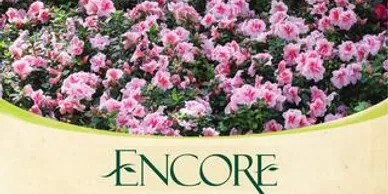
Unlike Encore Azaleas which need soil acidity levels between 4.5-6.0 pH, Virginia Sweetspire adapts to a wider range of soil conditions while still performing well in shade environments.
Colorful Seasonal Transformations
Among the most versatile shrubs for shade gardens, Itea virginica (Virginia sweetspire) offers exceptional four-season appeal while thriving in moist, partially shaded conditions.
Its seasonal transformation begins with delicate white racemes in late spring, followed by lush summer foliage that shifts dramatically in autumn.
We’ve observed these remarkable seasonal changes in our gardens:
- Spring: Fragrant, pendulous flower racemes (3-6″ long) attract pollinators
- Summer: Glossy, medium-green foliage creates dense texture
- Fall: Leaves change to brilliant crimson-purple persisting for weeks
- Winter: Arching stems provide structural interest with exfoliating bark
This native shrub’s adaptability to our southern climate makes it invaluable for changeover zones between woodlands and cultivated areas.
Its reliable seasonal progression gives our shade gardens continuity throughout the year while supporting local ecological systems.
Thrives in Wet Soils
Not only does Virginia sweetspire enchant with its seasonal displays, but it also offers practical solutions for challenging hydrological conditions in shade gardens. We’ve found this native shrub (Itea virginica) thrives where many others fail—in wet, poorly drained soils that typically frustrate southern gardeners.
Its extensive root system efficiently absorbs excess moisture while simultaneously stabilizing erosion-prone areas along water features. We recommend planting sweetspire in those troublesome low spots where water collects after rainfall. The shrub’s tolerance of both periodic flooding and seasonal drought makes it exceptionally versatile for our changing southeastern climate patterns.
In our community gardens, we’ve successfully used sweetspire as riparian buffers and rain garden anchors, where it performs dual ecological functions: managing stormwater runoff while providing critical habitat for native pollinators.
Wildlife-Friendly Habitat
While many gardeners select plants primarily for aesthetics, Virginia sweetspire’s ecological value extends substantially beyond its visual appeal.
We’ve found this native shrub transforms shade gardens into wildlife sanctuaries, supporting numerous species through multiple seasons.
Virginia sweetspire offers:
- Nectar-rich spring flowers attracting native pollinators, including various bee species and butterflies
- Dense branching structure providing nesting sites and protective cover for songbirds
- Fall and winter berries serving as vital food sources during resource-scarce periods
- Root systems that stabilize soil in moist areas while creating microhabitats for beneficial insects
We’ve observed remarkable biodiversity increases after incorporating this adaptable shrub into our southern shade gardens.
Its wildlife-supporting attributes, combined with its visual appeal, make Virginia sweetspire an essential component of ecologically-focused landscape design.
Dwarf Palmetto: Bringing Tropical Flair to Shady Landscapes
Sabal minor, commonly known as Dwarf Palmetto, represents a distinctive evergreen shrub that brings exceptional tropical character to shade gardens despite its cold-hardiness.
We’ve found this native palm thrives in USDA zones 7-10, tolerating temperatures down to 0°F while maintaining its architectural fan-shaped fronds year-round.
In our gardens, we’ve observed Dwarf Palmetto’s impressive adaptability to various soil conditions, including the heavy clay prevalent throughout southern landscapes.
It’s remarkably drought-tolerant once established, requiring minimal irrigation even during summer heat.
The shrub typically remains under 6 feet tall, making it ideal for understory plantings.
We treasure this palmetto not only for its distinctive texture but also for its wildlife value—birds relish the small black fruits, while the dense structure provides nesting habitat.
Regular pest monitoring helps prevent spider mites and scale insects from damaging this otherwise low-maintenance shrub.
Frequently Asked Questions
How Often Should I Fertilize Shade-Loving Shrubs in the South?
We recommend fertilizing shade-loving shrubs in the South once in early spring before new growth. Some species benefit from a second application in early summer, using slow-release formulations with balanced NPK ratios.
Can These Shade Shrubs Survive Extreme Summer Heat Waves?
We’ve observed that many shade-adapted shrubs can withstand heat waves when properly established. They’ll require supplemental irrigation during extreme temperatures, as their shallow root systems aren’t drought-tolerant under thermal stress.
What Pests Commonly Attack Shade Shrubs in Southern Gardens?
We observe several arthropod pests targeting southern shade shrubs, including scale insects, spider mites, aphids, and lace bugs. Fungal pathogens like powdery mildew aren’t uncommon in our humid microclimates.
How Do Shade Shrubs Impact Soil Acidity Over Time?
We’ve observed that many shade shrubs release acidic leaf litter, gradually increasing soil acidity. This effect varies by species, with azaleas and camellias being particularly more acidifying than viburnums or boxwoods.
What Companion Plants Work Best Alongside These Shade Shrubs?
We’ve found ferns, hostas, and astilbes serve as excellent companions to shade shrubs, creating symbiotic relationships through complementary root systems while enhancing biodiversity in our understory plant communities.
Takeaway
We’ve presented nine ideal shade-tolerant shrubs for southern gardens that exhibit specific adaptations to low-light conditions. Each species possesses unique morphological characteristics and physiological mechanisms that enable photosynthetic efficiency in reduced light environments. When selecting specimens, we recommend analyzing site-specific factors including soil pH, moisture retention capacity, and light filtration patterns. Through appropriate selection, we can establish ecologically balanced shade gardens that maintain visual interest while supporting regional biodiversity.