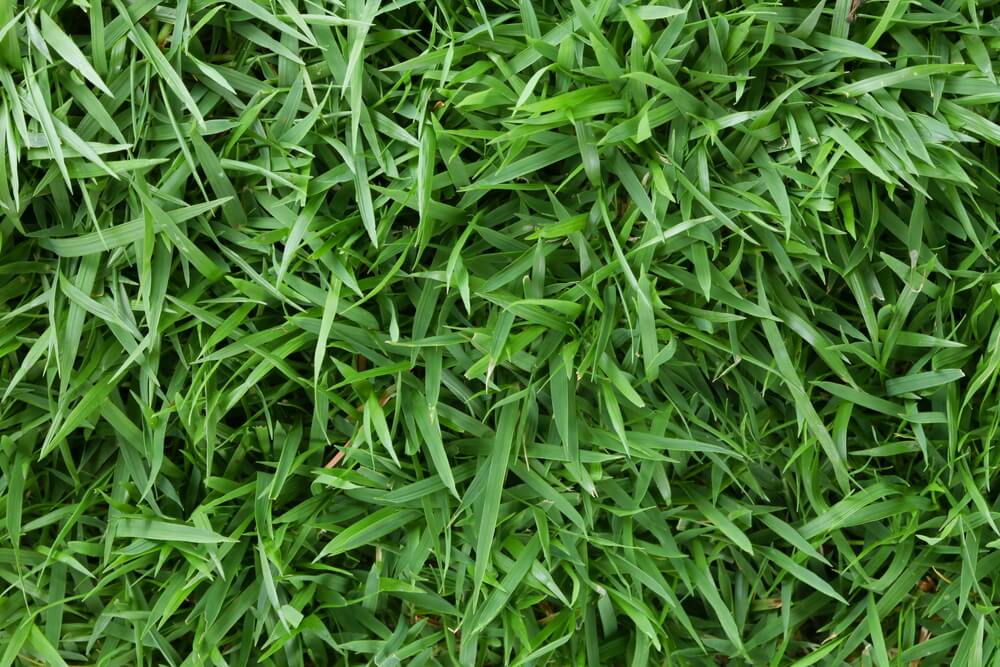
Zoysia lawns need the right care through every season to stay thick, green, and healthy—and CleanCut Landscape Co. is here to guide you through it. In the spring, it’s important to clear out leftover debris and apply the right fertilizer to kickstart healthy growth. During summer, you’ll want to adjust your mowing height and water wisely to handle the heat. Come fall, it’s time to dial back the watering and start prepping for winter. And in the colder months, be sure to keep foot traffic off your dormant lawn to avoid damage. Skipping these seasonal steps can lead to problems like disease, pests, or thatch buildup—turning a lush lawn into a frustrating mess.

Key Takeaways on Zoysia Lawns
- Spring: Remove winter debris, apply balanced starter fertilizer when growth begins, and mow at 1-2 inches.
- Summer: Raise mowing height to 2-2.5 inches and water deeply (1 inch weekly) during early morning.
- Fall: Apply winterizing fertilizer with higher potassium, lower mowing height slightly, and remove fallen leaves promptly.
- Winter: Minimize traffic on frozen Zoysia and provide light irrigation during extended dry periods without snow cover.
- Year-round: Monitor for brown patch disease, manage thatch buildup, and aerate regularly to counteract soil compaction.
Spring Revival: Essential Steps for Zoysia’s Green-Up Phase
As winter’s grip loosens and soil temperatures consistently reach 65°F, Zoysia grass emerges from dormancy into its critical green-up phase.
We’ll need to promptly remove winter debris and lightly rake to eliminate dead thatch that can impede new growth.
Let’s apply a starter fertilizer with a balanced NPK ratio (something like 15-5-10) once we’ve confirmed active growth.
This timing is vital—premature fertilization wastes nutrients and can stress dormant turf.
Now’s also the perfect time for our first mowing, keeping blades sharp and cutting at 1-2 inches, never removing more than ⅓ of leaf blade length.
We should wait until the lawn is 50-60% green before applying pre-emergent herbicides to control summer weeds without disrupting Zoysia’s awakening process.
Implementing proper sun exposure management during spring helps prevent transplant shock and encourages stronger root development in your Zoysia lawn.
Summer Management: Navigating Heat and Drought Stress
Summer brings peak growth for established Zoysia lawns, along with heightened vulnerability to heat and moisture stress. We’ll need to adjust our practices to protect our turf during these challenging months.
Let’s raise our mowing height to 2-2.5 inches, creating longer leaf blades that shade the soil and develop deeper roots. We should water deeply but infrequently—about 1 inch weekly in early morning hours—encouraging drought tolerance rather than shallow root development.
Higher mowing creates natural shade and deeper roots, while strategic watering builds drought resilience in your Zoysia lawn.
If we’re experiencing extended drought, we needn’t worry unnecessarily. Zoysia’s natural dormancy mechanism causes browning but protects the crown.
We’ll avoid fertilizing during summer stress periods, as this stimulates growth that requires additional water. Instead, we’ll focus on spot-treating any emerging weeds and monitoring for potential chinch bug or brown patch issues that thrive in summer heat. Regular inspection of the lawn can help identify brown patch disease before it spreads too far and causes significant damage.
Fall Maintenance: Preparing Your Zoysia Lawn for Cooler Months
When autumn temperatures begin dropping, Zoysia grass growth gradually slows, signaling it’s time to adjust our maintenance practices accordingly.
We’ll want to reduce irrigation as evaporation rates decline, typically watering only when soil moisture depletes.
This is our final opportunity for fertilization—apply a winterizing formula with higher potassium and lower nitrogen to enhance cold hardiness.
Let’s lower our mowing height slightly (1.5-2 inches) for the final cuts to reduce thatch accumulation over winter.
We should continue removing fallen leaves promptly to prevent suffocation and fungal development.
Fall is also ideal for core aeration if soil compaction exists, allowing oxygen and nutrients to penetrate before dormancy.
These preparations strengthen our Zoysia’s root system and energy reserves, ensuring vibrant green-up when spring returns.
Remember that Zoysia Grass offers excellent durability and heat-resistance while requiring less water than alternatives like St. Augustine.
Winter Protection: Safeguarding Dormant Zoysia Lawns
During winter dormancy, Zoysia grass transforms into a light brown color as the plant conserves energy and ceases growth. This dormant state is normal and doesn’t indicate an unhealthy lawn.
We’ll want to minimize traffic on frozen Zoysia to prevent damage to brittle leaf tissue and crowns.
Stay off dormant Zoysia in freezing temperatures to protect vulnerable leaf tissues and crown structures from permanent damage.
Let’s avoid fertilizing during winter months, as this can stimulate unwanted growth and increase susceptibility to cold damage.
If we experience extended dry periods without snow cover, we should provide light irrigation to prevent desiccation. We shouldn’t be alarmed by winter color changes, but we should monitor for signs of winter kill in early spring.
For southern lawns that maintain some green, we’ll mow only when necessary at a slightly higher height than summer cutting levels.
The deep root system of Zoysia grass contributes to its excellent frost resistance, helping it survive winter conditions better than many other warm-season grasses.
Year-Round Troubleshooting: Addressing Common Zoysia Challenges
While Zoysia grass maintains a reputation for hardiness, it still faces several predictable challenges throughout the growing seasons.
We’ll help you identify and address these issues before they compromise your lawn’s health.
Watch for brown patch disease during humid periods, treating with fungicide at first signs of circular patches.
Thatch buildup exceeding ½ inch requires dethatching in early summer.
For grub damage, evident through easily lifted turf sections, we recommend applying preventative treatments in late spring.
Iron chlorosis, manifesting as yellowing between leaf veins, responds well to iron supplements.
When drought stress appears as folding leaf blades and blue-gray coloration, increase watering depth rather than frequency.
Regular lawn aeration counteracts soil compaction and allows essential nutrients, water, and oxygen to better reach the root zone.
Frequently Asked Questions
Can I Overseed Zoysia With Other Grass Types?
We don’t recommend overseeding zoysia with other grass types. Their different growth habits create competition, leading to patchy, inconsistent lawns. For thicker coverage, stick with zoysia plugs or sprigs.
How Long Does Zoysia Take to Fully Establish?
We typically see zoysia taking 1-2 full growing seasons to establish completely. It’s slower than other turfgrasses, requiring patience—but once established, you’ll enjoy its dense, drought-resistant mat for years.
Will My Zoysia Lawn Choke Out Existing Weeds?
We don’t expect zoysia to completely choke out existing weeds. While its dense growth pattern inhibits many invaders once established, pre-existing weeds require removal for ideal lawn development and performance.
Is Zoysia Suitable for Partially Shaded Areas?
We recommend zoysia for partially shaded areas with caution. It’s tolerant of light shade but won’t thrive in dense shade like some cool-season grasses. Aim for 4+ hours of daily sunlight.
How Do I Remove Zoysia Grass if I Want a Different Lawn?
We’ll need to kill zoysia completely through solarization, herbicide applications, or mechanical removal. It’s persistent, so we recommend multiple approaches combined with thorough rhizome extraction for successful conversion.
Conclusion
We’ve outlined the critical seasonal maintenance procedures for ideal Zoysia performance. By implementing our prescribed regimen—spring green-up protocols, summer stress mitigation techniques, fall winterization strategies, and dormant-season protection measures—you’ll maximize your lawn’s genetic potential. Remember that consistent vigilance against pathogens, insect infestations, and thatch accumulation remains essential throughout the annual cycle. Proper seasonal adjustments to mowing height, irrigation frequency, and nutrient applications will guarantee sustained Zoysia vigor.