Sod installation gives your yard an instant lawn, but the best results come from proper prep, careful installation, and the right watering plan after the work is done.
At Clean Cut Landscape Co., we install sod for homeowners who want a cleaner lawn without waiting months for seed to fill in. Sod can make a yard look better fast. It can cover bare soil. It can help with curb appeal. It can make a front yard, backyard, or side yard feel finished.
But sod is still a living plant.
It needs good soil contact. It needs the right amount of water. It needs time to root. It needs proper care during the first few weeks.
A strong sod job starts before the first piece is laid.
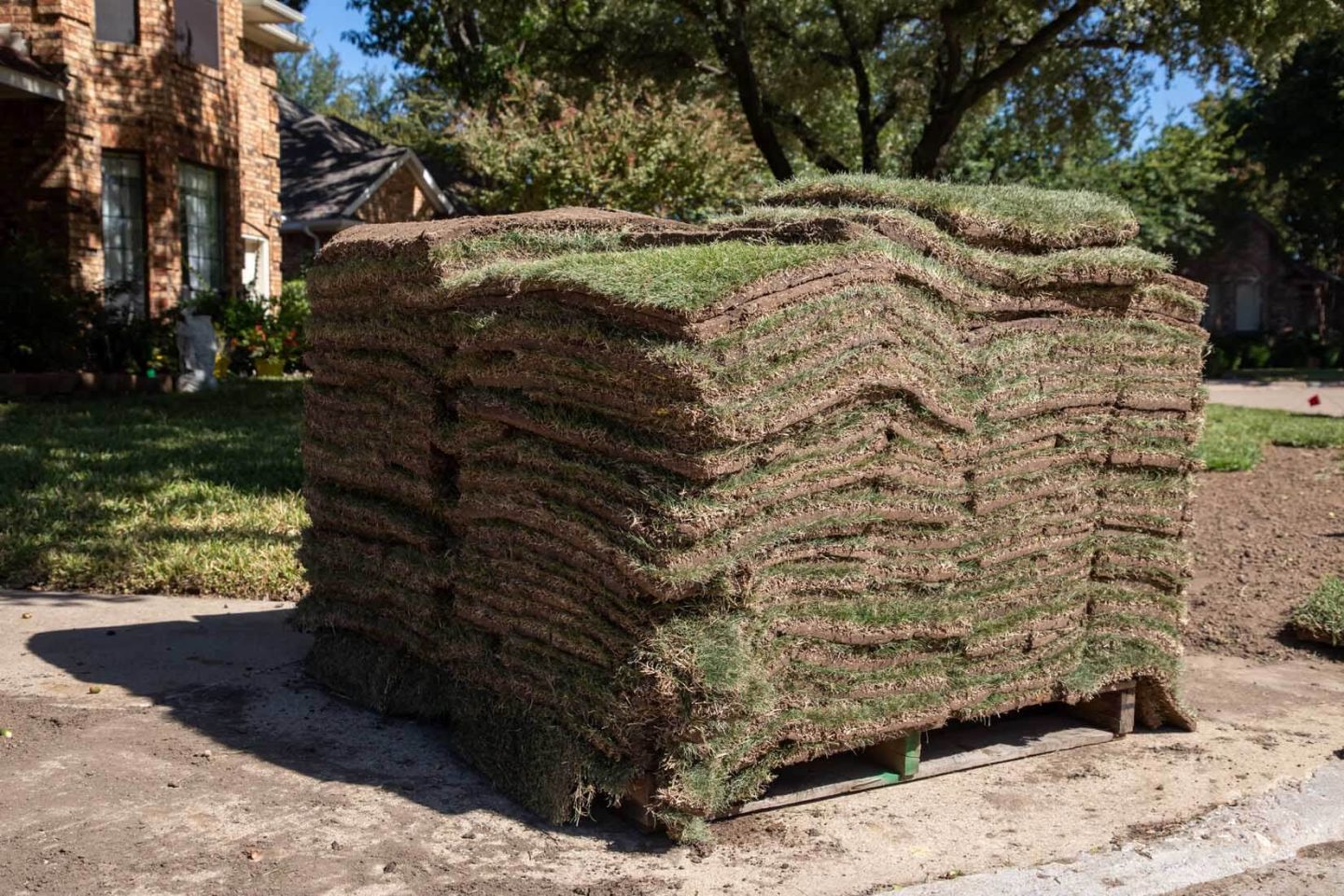
Step 1: We Look at the Yard
Sod installation starts with the yard itself.
We look at the soil, sun, shade, drainage, slope, and current lawn condition. This helps us understand what needs to happen before new sod goes down.
Some yards need old grass removed. Some need grading. Some need drainage correction. Some need soil work. Some are almost ready with only light prep.
We check for:
- Bare spots
- Weeds
- Uneven soil
- Standing water
- Compacted ground
- Shady areas
- Heavy foot traffic areas
- Sprinkler coverage
- Downspout drainage
This step matters. New sod can look great on install day, but if the yard has poor drainage or bad soil contact, the sod can struggle.
Step 2: We Remove Old Grass and Weeds
Old grass, weeds, and debris need to be cleared before sod installation.
Sod needs to touch the soil. If it sits on top of old grass or thick weeds, the roots cannot connect properly. That can lead to drying, lifting, uneven growth, and weak rooting.
We remove the old material so the new sod has a clean surface.
This may include:
- Removing dead grass
- Cutting out existing turf
- Clearing weeds
- Removing rocks and debris
- Cleaning the work area
A clean base gives the sod a better chance to root evenly.
Step 3: We Prepare the Soil
Soil preparation is one of the most important parts of sod installation.
The soil should be loose enough for roots to grow. It should be level enough for the sod to sit flat. It should also drain well enough to support healthy grass.
If the soil is too compacted, roots struggle. If the soil is too uneven, the finished lawn can feel bumpy. If the soil holds too much water, the sod may stay too wet.
Soil prep may include:
- Loosening compacted soil
- Adding soil where needed
- Leveling low spots
- Removing high spots
- Improving the surface grade
- Preparing clean edges around beds and hardscape
Good prep is not the flashy part of the job, but it makes the biggest difference.
Step 4: We Check Drainage Before Sod Goes Down
Drainage should be checked before sod installation.
If a yard holds water now, new sod will not magically fix it. In fact, fresh sod can struggle in soggy areas because the roots need oxygen as much as they need water.
We look for low spots, downspout issues, and areas where water sits after rain.
Drainage problems may need:
- Yard grading
- Catch basin drains
- French drains
- Downspout drainage
- Soil correction
- Raised landscape beds nearby
If drainage work is needed, it should be done before the sod installation. That helps protect the investment.
Step 5: We Grade and Smooth the Area
Once the ground is cleaned and prepared, the surface needs to be shaped and smoothed.
This helps the sod sit tight against the soil. It also helps water move better across the yard.
We pay close attention to edges near:
- Driveways
- Walkways
- Patios
- Landscape beds
- Fences
- Foundation areas
Clean edges make the finished lawn look better. Smooth grading makes the lawn easier to mow and maintain.
Step 6: We Lay the Sod
Sod is laid in tight rows so the pieces fit together cleanly.
We stagger the seams, similar to how bricks are laid. This helps reduce gaps and gives the lawn a stronger finished look.
Each piece needs to touch the soil underneath. Gaps, folded corners, and loose edges can dry out quickly.
During sod installation, we focus on:
- Tight seams
- Straight lines
- Good soil contact
- Clean cuts around edges
- Proper fit near beds and hardscape
- Even placement across the yard
The goal is a smooth, connected lawn with no loose patches.
Step 7: We Roll or Press the Sod
After the sod is laid, it may need to be rolled or pressed to improve soil contact.
This helps remove air pockets under the sod. Air pockets can cause dry spots and weak rooting.
Good soil contact helps the roots reach down into the prepared soil.
This is where the lawn starts becoming established.
Step 8: Watering Starts Right Away
Watering is critical after sod installation.
New sod needs water right away because the roots are still shallow. The first watering should soak through the sod and into the soil below.
During the first couple of weeks, sod usually needs frequent watering. The exact schedule depends on weather, soil, shade, and the type of grass.
The goal is to keep the sod moist while the roots begin to grow down.
Too little water can dry it out.
Too much water can create soggy conditions.
We give homeowners watering guidance based on the yard and the season.
Step 9: The Sod Starts Rooting
New sod does not become an established lawn overnight.
It needs time to root. During the first few weeks, the sod will begin attaching to the soil. You may be able to gently lift a corner early on. As the roots grow, the sod becomes harder to lift.
That is a good sign.
During this rooting period, the lawn needs careful use. Heavy foot traffic can shift the sod or damage tender roots.
We usually tell homeowners to keep people and pets off the new sod as much as possible during the early rooting stage.
Step 10: First Mowing
The first mowing should happen once the sod is rooted enough and tall enough.
Mowing too early can pull up loose sod. Waiting too long can stress the grass. The timing depends on growth, weather, and rooting.
When it is time to mow, the mower blade should be sharp. The lawn should not be cut too short.
A good first mow helps the sod start looking like a normal lawn.
Sod Installation Timeline
| Stage | What Happens | What Homeowners Should Know |
|---|---|---|
| Yard review | We check soil, drainage, shade, and lawn condition | This helps us plan the prep work |
| Site prep | Old grass, weeds, and debris are removed | Sod needs clean soil contact |
| Soil work | Ground is leveled and prepared | This affects rooting and lawn smoothness |
| Sod installation | Sod is laid in tight rows | Seams and edges matter |
| Watering | Sod is watered right away | Early watering is critical |
| Rooting | Sod begins attaching to soil | Limit foot traffic |
| First mow | Grass is cut after rooting begins | Timing depends on growth |
Common Sod Installation Mistakes
We see several common mistakes with sod.
The first is skipping soil prep. New sod laid over hard, compacted, uneven soil can struggle.
The second is ignoring drainage. Wet yards need water control before sod goes down.
The third is poor watering. New sod dries quickly, especially during hot weather.
The fourth is mowing too soon. Loose sod can shift or tear.
The fifth is letting pets use the new lawn too early. Pet traffic can damage new seams and soft soil.
A good sod installation avoids these problems from the start.
How to Care for New Sod
After sod installation, the first few weeks matter most.
Homeowners should focus on:
- Watering properly
- Keeping traffic low
- Watching for dry edges
- Waiting for proper rooting before mowing
- Avoiding heavy equipment on the lawn
- Following care instructions based on the season
Edges dry out faster than the center of the lawn. Areas near concrete can also dry faster because hard surfaces hold heat.
New sod needs attention, but it should not be complicated.
We keep the instructions clear.
Why Homeowners Hire Clean Cut Landscape Co. for Sod Installation
At Clean Cut Landscape Co., we install sod with the whole yard in mind.
We do not only look at the grass. We look at drainage, soil, grading, beds, and how the yard will be used.
That helps the new lawn look better and last longer.
We can help with:
- Sod installation
- Old grass removal
- Soil preparation
- Yard grading
- Drainage corrections
- Landscape bed cleanup
- Front yard curb appeal improvements
- Backyard lawn repair
A sod project can make a big difference fast, especially when the prep work is done right.
FAQs About Sod Installation
How long does sod take to root?
Sod usually begins rooting within the first couple of weeks, but full establishment takes longer. Weather, watering, soil prep, and grass type all affect timing.
Can I walk on new sod?
Light walking may be needed for watering or care, but heavy foot traffic should be limited during the early rooting period. Pets and kids should stay off the new sod as much as possible at first.
How often should new sod be watered?
New sod usually needs frequent watering during the first stage. The schedule depends on heat, rain, shade, and soil. The sod should stay moist while roots begin growing into the soil.
Should drainage be fixed before sod installation?
Yes. Drainage should be fixed before sod installation when the yard holds water. New sod needs healthy soil conditions to root well.
When can new sod be mowed?
New sod should be mowed after it has rooted enough and reached the right height. Mowing too early can pull up the sod or damage seams.
Takeaway
Sod installation works best when the yard is cleaned, graded, prepared, and watered properly. At Clean Cut Landscape Co., we help homeowners get a cleaner lawn by handling the details that matter before, during, and after the sod goes down.