
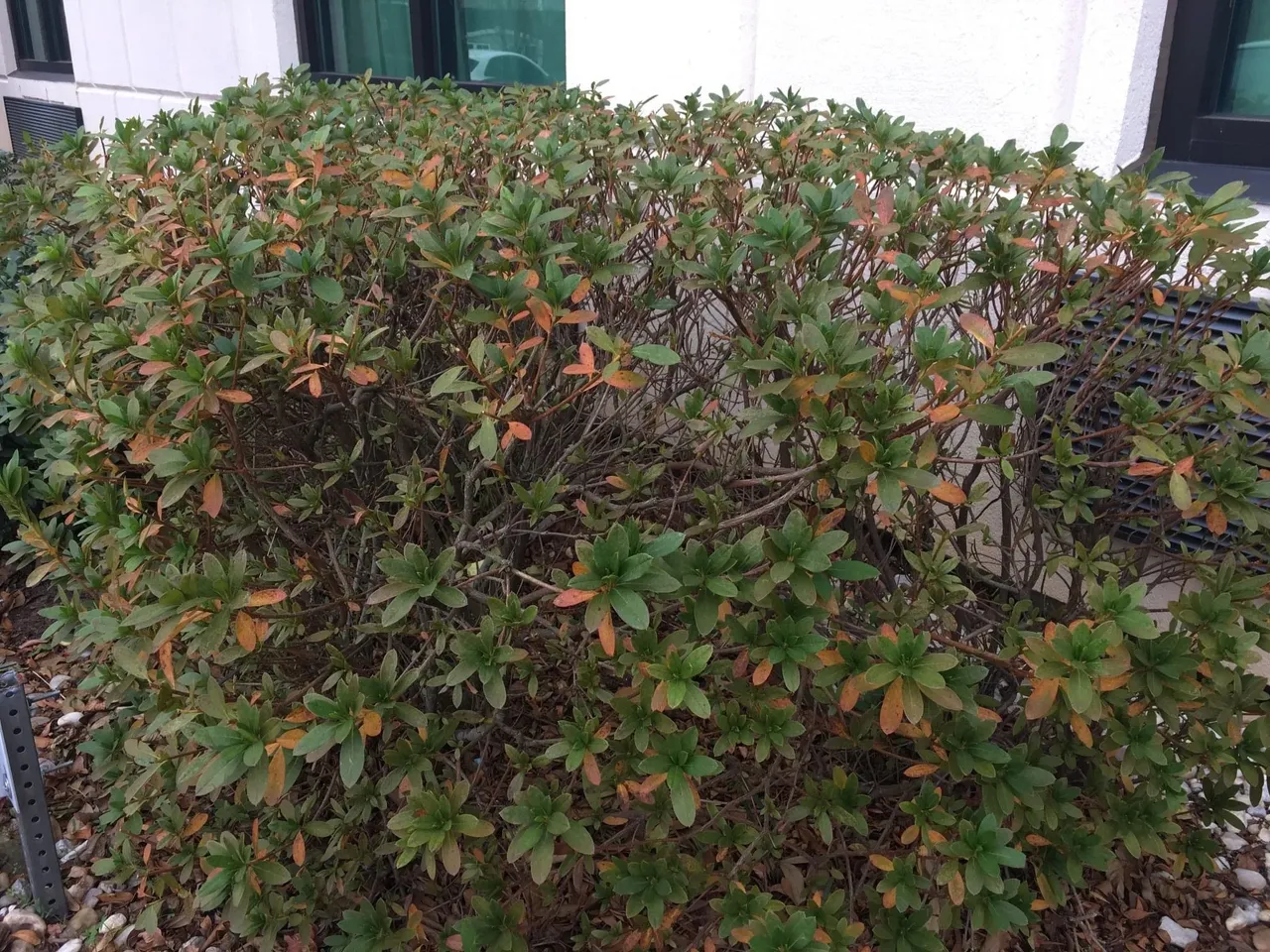
We’ve witnessed countless azalea bush enthusiasts disappointed by bloomless bushes this spring. Your vibrant display may have been thwarted by several common culprits: improper pruning timing, insufficient sunlight, soil pH imbalances, or temperature extremes. Even well-established azaleas can suddenly skip their flowering cycle due to environmental stressors or cultural missteps. Understanding these specific factors won’t just explain this year’s failure—it’ll guarantee your azalea bush produces their signature spectacular blooms next season.
Key Points
- Improper pruning after buds formed in late summer through fall removed next year’s blooms.
- Insufficient light exposure, as azaleas need 4-6 hours of filtered sunlight daily for ideal blooming.
- Soil pH outside the optimal 4.5-6.0 range impairs nutrient absorption essential for flower production.
- Late spring frosts or winter temperatures below -10°F destroyed developing flower buds.
- Excessive nitrogen fertilization promoted vegetative growth at the expense of flower formation.
Improper Pruning Timing: Missing the Window
When an azalea bush fails to bloom, improper pruning timing is often the primary culprit. We’ve found that azaleas set their flower buds in late summer to early fall for the following spring’s display. If we prune after this bud formation period, we’re literally cutting away next year’s blooms.
The ideal window for azalea pruning is the 3-4 week period immediately following their flowering cycle, typically late spring to early summer.
This timing allows the shrub to develop new growth and form flower buds before dormancy sets in.
Many gardeners mistakenly prune in late fall or winter when doing general garden cleanup, sacrificing the upcoming bloom cycle.
Remember that each azalea species has slight variations in its flowering timeline, so we need to observe our specific varieties closely to determine the ideal pruning window.
Like camellias, azaleas benefit from selective heading back techniques that maintain their natural form while encouraging healthy blooms.
Insufficient Sunlight Exposure
Azaleas require 4-6 hours of filtered sunlight daily for ideal bloom production, with eastern exposures typically providing the ideal morning light intensity.
We’ve observed that azaleas receiving only morning sun often develop more abundant flower buds than those exposed primarily to harsh afternoon sunlight, which can stress the plants and inhibit bud formation.
Measuring your garden’s light patterns throughout the day will help determine if your azalea’s poor flowering results from inadequate light exposure or excessive shade cast by nearby structures and competing vegetation.
Excessive direct sunlight can not only prevent blooming but can also cause leaf scorching damage and premature leaf drop.
Light Requirements Analysis
Insufficient exposure to sunlight frequently constitutes the primary reason for lackluster blooming in azalea bushes.
When we examine their photosynthetic requirements, we’ll discover that these woody ornamentals possess specific light thresholds for ideal floral induction.
To properly assess your azalea’s light conditions, we recommend:
- Monitoring daily sunlight duration during growing season (April-September)
- Calculating cumulative light exposure (minimum 4-6 hours filtered sunlight required)
- Evaluating seasonal shade patterns from deciduous trees or structures
- Measuring light intensity using a lux meter (3,000-10,000 lux ideal)
We’ve observed that many azaleas planted in dense shade (below 70% light transmission) develop vegetative growth but fail to produce flower buds.
Remember that morning sun exposure particularly supports stronger bud development compared to afternoon light, which often proves excessively intense.
Morning vs. Afternoon
Though often overlooked in garden placement decisions, the timing of sunlight exposure substantially impacts azalea flowering performance. Morning sun provides gentler illumination with reduced UV intensity, allowing azaleas to photosynthesize efficiently without heat stress. Eastern exposures typically deliver this ideal morning light while protecting plants from harsh afternoon conditions.
Conversely, afternoon sunlight (western exposures) delivers more intense radiation that can damage tender azalea tissues and trigger moisture stress, particularly during summer months. We’ve observed that azaleas receiving mainly afternoon sun often develop fewer flower buds for the subsequent season.
For perfect blooming, we recommend positioning azaleas where they’ll receive 4-6 hours of filtered morning sunlight while enjoying afternoon shade. This light pattern maximizes the plant’s ability to produce and store the carbohydrates necessary for abundant flower production.
Soil Ph Problems and Nutrient Imbalances
When the vibrant blooms of azaleas fail to materialize, soil pH problems and nutrient imbalances are often the underlying culprits.
Disappointing azalea performance typically signals soil chemistry issues requiring correction before colorful displays can return.
Azaleas thrive in acidic soil with a pH between 4.5-6.0, and deviations from this range impair their ability to absorb essential nutrients.
We’ve identified four critical soil-related factors that affect azalea blooming:
- Iron chlorosis – Yellowing leaves with green veins indicate iron deficiency, common in alkaline soils
- Phosphorus levels – Insufficient phosphorus (P) directly impacts flower bud formation
- Aluminum availability – Acidic soils release aluminum, which azaleas require for proper development
- Organic matter content – Decomposing organic material naturally acidifies soil and improves nutrient retention
Testing your soil annually allows us to make targeted amendments before bloom failure occurs, ensuring your azaleas express their full flowering potential. If your azalea leaves appear white or have a silvery appearance, this might indicate lace bug infestation which also weakens the plant and affects its blooming capacity.
Winter Damage and Temperature Extremes
Winter temperatures below -10°F can destroy flower buds on less hardy azalea varieties, resulting in brown, desiccated buds that fail to open in spring.
We’ve observed that late spring frosts often damage partially opened buds and emerging flowers, manifesting as browned petal edges and collapsed tissue within 24-48 hours of exposure.
For protection against sudden cold snaps, we recommend covering plants with frost cloth that maintains a 3-5°F buffer, applying 3-4 inches of mulch to insulate roots, and situating azaleas in locations with northern exposure to delay premature bud break.
Encore Azaleas require 4-6 hours daily of sunlight exposure for optimal blooming and should be placed in areas with morning light and filtered afternoon sun for best results.
Frost Damage Signs
Despite their cold hardiness, azaleas can suffer significant frost damage when temperatures drop below their tolerance threshold.
We often see this damage manifesting after late spring frosts that occur after bud formation has begun. The timing is critical—emerging flower buds are particularly vulnerable to cold injury.
Look for these telltale signs of frost damage:
- Brown, dried flower buds that fail to open
- Blackened stem tips, especially on newer growth
- Split bark near the soil line or on major branches
- Leaf burn characterized by brown edges and discoloration
These symptoms indicate cellular damage from ice crystal formation within plant tissues.
While established azaleas can often recover from vegetative frost damage, the flower buds for the current season can’t be regenerated once destroyed, resulting in diminished or absent blooming.
Cold Snap Protection
Because sudden temperature plunges can devastate even established azaleas, implementing protective measures becomes essential during vulnerable periods.
We recommend applying a 2-3 inch layer of mulch around the base before winter arrives, extending it beyond the drip line to insulate the root system from freezing temperatures.
For young or vulnerable specimens, we’ve found that covering plants with breathable fabric (never plastic) when temperatures drop below 25°F protects developing flower buds.
It’s critical to secure these covers without damaging branches. Anti-desiccant sprays applied to foliage in late fall help prevent moisture loss during winter winds.
In container gardens, we’ll move potted azaleas to sheltered locations or wrap the containers with insulating materials.
Drought Stress and Irregular Watering
When azaleas suffer from drought stress or experience irregular watering patterns, their ability to produce blooms substantially diminishes.
The formation of flower buds requires consistent moisture levels during the critical summer months when next year’s buds are forming.
We recommend implementing these essential watering practices:
- Maintain 1-2 inches of water weekly during growing season, adjusting for rainfall
- Apply mulch (2-3 inches thick) to retain soil moisture and moderate temperature fluctuations
- Water deeply at soil level rather than with overhead sprinklers that can promote fungal issues
- Install drip irrigation systems for consistent moisture delivery directly to root zones
If your azaleas experienced extended dry periods last summer or early fall, this likely explains their failure to bloom this spring despite appearing otherwise healthy. Watering thoroughly but less frequently helps develop deeper root systems that can better withstand drought conditions.
Natural Blooming Cycles and Rest Periods
Many gardeners mistakenly interpret their azaleas’ non-blooming periods as signs of poor health, while these cycles actually represent natural rest periods within the plant’s growth rhythm.
Don’t panic about bloomless azaleas—these natural rest periods strengthen plants for future spectacular displays.
Azaleas typically operate on biennial flowering cycles, where they’ll produce abundant blooms one year followed by a reduced display the next.
This alternating pattern allows the plant to recover and build energy reserves.
We’ve observed that different azalea cultivars exhibit varying dormancy requirements.
Some need 500-1,000 chilling hours (temperatures between 32°F-45°F) to properly set buds.
Without these specific cold exposure periods, bloom formation remains biochemically inhibited.
Additionally, mature azaleas (7+ years) sometimes enter extended rejuvenation cycles where they focus energy on root and foliage development rather than flowering.
This natural process ultimately strengthens the plant’s overall vigor for future blooming seasons.
In Louisiana gardens, evergreen azalea varieties are particularly valued for their colorful blossoms and year-round beauty, even during non-flowering periods.
Pest Infestations Affecting Bud Development
Several pest species can severely compromise azalea bud development, often remaining undetected until bloom failure becomes evident.
When inspecting your non-blooming azaleas, we recommend checking for these common culprits:
- Lace bugs – These insects extract chlorophyll from leaves, causing stippling and yellowing that reduces the plant’s ability to photosynthesize and form buds
- Azalea bark scale – Identified by white cottony masses on branches that drain plant vigor and divert energy from flower production
- Spider mites – Microscopic pests that cause bronzing of foliage and weaken overall plant health, particularly during drought stress
- Bud mites – Tiny arachnids that directly attack developing flower buds, causing deformation or complete bud drop
We’ve found that regular inspection of branch tips and buds with a magnifying lens is essential for early detection.
Applying neem oil or soap sprays can be an effective organic control method for many azalea pests without harming beneficial insects.
Disease Issues That Prevent Flowering
Fungal and bacterial pathogens can devastate azaleas’ flowering potential by systematically attacking buds, vascular systems, and overall plant health.
We commonly encounter Phytophthora dieback, which causes branch tips to wilt and blacken, eventually killing flower buds before they mature.
Petal blight (Ovulinia azaleae) doesn’t prevent blooming initially but causes brown spots that rapidly consume opened flowers.
Leaf gall, caused by Exobasidium vaccinii, diverts the plant’s energy away from flower production by creating fleshy, distorted growths.
Meanwhile, powdery mildew coats developing buds with white fungal layers that stunt their development.
For successful treatment, we’ll need to prune infected areas using sterilized tools, improve air circulation around our plants, and apply appropriate fungicides during early disease stages.
Copper-based products often provide effective control when applied consistently.
Similar to camellias, powdery mildew on azaleas can cause premature bud aging and prevent flowers from opening properly.
Overfertilization: Too Much of a Good Thing
While gardeners often assume more fertilizer means better blooms, excessive nitrogen application represents one of the most common causes of non-flowering azaleas in our experience.
When we apply high-nitrogen fertilizers, we’re inadvertently telling our azaleas to focus on vegetative growth rather than flower bud production.
Signs of overfertilization include:
- Lush, dark green foliage with elongated stems
- Reduced or absent flower bud formation
- Leaf tip burn and marginal necrosis
- Decreased cold hardiness in Rhododendron species
We’ve found that azaleas prefer acidic fertilizers with NPK ratios containing lower nitrogen levels (such as 3-1-2 or 4-1-2) applied at half the recommended rate.
If you’ve been heavy-handed with fertilizer, we recommend leaching the soil with deep watering sessions and switching to an appropriate azalea formula.
Similar to proper lawn care, soil testing can help determine the specific nutrient needs of your azaleas before applying any fertilizer.
Frequently Asked Questions
Can Azaleas Recover and Bloom After Several Bloomless Years?
Yes, azaleas can recover after bloomless periods. We’ll need to correct their specific stressors—soil pH, pruning timing, light conditions, or nutrient deficiencies—to reactivate their dormant flower buds effectively.
How Do Different Azalea Varieties Affect Blooming Reliability?
Different azalea varieties offer varying bloom reliability. We’ll find evergreen types typically more consistent than deciduous ones, while newer reblooming cultivars provide multiple flowering cycles compared to traditional single-season bloomers that demand specific conditions.
Do Companion Plants Impact Azalea Flowering?
Companion plants do impact azalea flowering. We’ve observed that deep-rooted competitors can deprive azaleas of nutrients and moisture, while allelopathic species may inhibit blooming through biochemical interference with our acid-loving rhododendrons.
Will Transplanting Affect My Azalea’s Bloom Cycle?
Transplanting will disrupt your azalea’s bloom cycle. We’ve found that root disturbance triggers stress hormones, redirecting energy to establishment rather than flower bud formation. Expect reduced flowering for 1-2 seasons post-transplant.
Can Mulching Practices Influence Azalea Flowering?
Yes, mulching practices directly affect azalea flowering. We recommend 2-3 inches of acidic mulch like pine needles or bark, keeping it away from stems to prevent moisture-related bloom failure and pH imbalances.
Takeaway
We’ve identified multiple physiological factors that may disrupt Rhododendron azalea bush flowering cycles. Post-bud-set pruning, photosynthetic deficiency from insufficient PAR exposure, soil pH deviation from the ideal 4.5-6.0 acidic range, subfreezing tissue damage, irregular hydraulic stress, biennial blooming patterns, arthropod infestations targeting floral primordia, pathogenic infections, and excessive nitrogen application can all inhibit anthesis. Assessment of these variables should follow a systematic diagnostic approach to restore normal reproductive development in subsequent seasons.