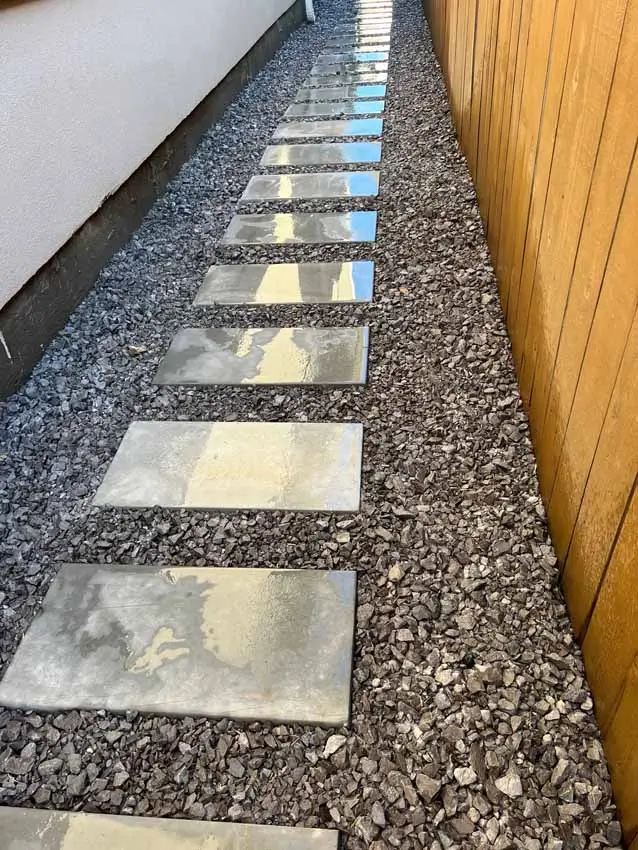
Limestone pathways for muddy side yards in Metairie can give you a firmer route beside the house, but the path needs a sound base and a plan for where rainwater will go. Laying stone over a wet low spot may leave the walkway uneven or surrounded by puddles. At Clean Cut Landscape Co., we look at the slope, downspouts, soil, and daily use of the space before recommending the path layout.
You may know the problem well. The strip between your house and fence stays damp long after the front lawn dries. The grass has thinned out, a trash can leaves ruts when you roll it through, and you track mud inside after taking the dog out. A limestone path may be a good fit for that area. We still need to find out whether the water can leave the space and what is happening underfoot.
Watch the Side Yard During and After Rain
Where does the water first appear? It might run off the roof, pour from a downspout, come through a neighboring grade, or collect in the lowest part of the yard. The timing and direction matter. A path does not change the amount of water entering the area, and loose stone alone does not give trapped water an outlet.
Take a few photos during a storm if you can do that safely. Then photograph the same stretch after the rain stops. Show the fence line, downspouts, hose connections, air conditioning equipment, and any existing drain. The photos help us understand the pattern, though a visit is still useful for checking elevations and access.
A short-lived wet patch is different from water that stays for days. If the side yard remains soft, we may need to discuss yard drainage work along with the walkway. The right drainage choice depends on where the water starts, where it can discharge, and the conditions on your property.
Make the Path Work for the Way You Walk
A side yard path often has several jobs. You might use it to reach the backyard, roll bins to the curb, carry lawn tools, or get to equipment for service. A narrow row of stepping stones can be pleasant for occasional foot traffic but awkward for a rolling trash can. A wider, more continuous surface may suit that use better.
Tell us who uses the path and what needs to pass through it. Check gate openings and the swing of any doors. A path can fit between the house and fence yet still leave too little room at a tight gate or around an outdoor unit. We plan the route with those pinch points in mind.
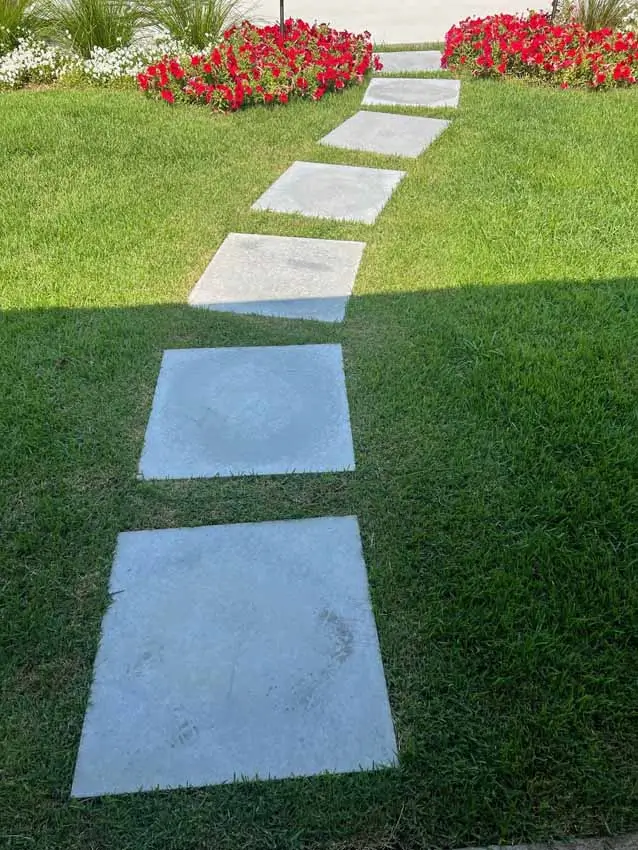
The surface choice matters underfoot as well. Clean Cut Landscape Co. offers limestone pathways and walkways and can incorporate stepping stones. The layout and materials should match how the area will be used. We would not choose the same arrangement for a decorative garden trail and a daily route for bins and equipment.
Prepare the Ground Before Stone Goes Down
A path follows the ground beneath it. If the existing strip has ruts, thick roots, loose fill, or a low spot, those conditions need to be addressed in the plan. The base and final elevation affect how the walkway feels and where surface water travels. We check nearby thresholds, fence bottoms, and the ground along the house before setting the finished path height.
It may be tempting to raise the path above the muddy area. That can make the walking surface look better while pushing water toward a wall, doorway, or neighboring yard if the grade is wrong. A site visit lets us look at the larger drainage pattern rather than treating the path as a strip separate from the yard.
The edges deserve attention too. In a narrow side yard, stone can move into a planting bed or lawn if the edge is poorly defined for the intended design. The amount of preparation and edging depends on the existing soil, planned material, and traffic. We can explain those choices in a proposal after examining the space.
Decide What to Do With Downspouts and Irrigation
A downspout that empties directly onto the proposed path may send a concentrated stream across it during a storm. That water needs to be considered before the material is installed. Depending on the site, the downspout may need a different outlet or a broader drainage plan. We need to see the property before recommending a connection or route.
Check for sprinkler heads in the strip as well. A head aimed at the side of the house or a narrow shaded space may keep the ground damp even when it has not rained. Irrigation problems and rainwater problems can look similar after a few days. Clean Cut also provides irrigation system installation and repair, allowing us to discuss a sprinkler issue if we find one during the visit.
Utilities and service access also belong in the plan. Let us know if a technician needs regular access to an air conditioning unit, hose bib, meter, or gate. A useful side yard is one you can still maintain after the walkway is in place.
Limestone, Stepping Stones, or Another Surface?
Limestone can be an option where grass struggles in shade and foot traffic. Stepping stones may help define the walking line and create a different look. The right arrangement depends on the width of the space, your footing preferences, and the items you move through it. If you want to pull a loaded bin over the area, describe that need at the start.
No outdoor path stays completely maintenance free. Debris can collect, weeds may appear, and material can shift with use or heavy rain. Ask what upkeep the proposed design will need. We can also discuss how the path meets existing paving at the front and back, since a poor transition can make an otherwise useful walkway feel awkward.
Appearance still matters. The side yard may be visible through a gate or from a patio. We look at the house, nearby beds, and existing surfaces to help the new path feel like part of the property. A clear route and a sensible drainage plan come first.
What We Look at During a Site Visit
We start with the muddy area you have noticed. We look at how water moves, the available width, the current grade, downspouts, and the places where the path needs to connect. We also ask whether you want to use the strip for daily foot traffic, bins, gardening, or equipment access.
Clean Cut Landscape Co. provides limestone walkway, grading, drainage, and landscape services around Metairie. That range helps us discuss work that may need to happen before or alongside the path. The proposal should describe the actual problem found on your property and the route you want to use. If rainwater has no practical outlet, that needs to be addressed before promising that a new surface will stay dry.
Frequently Asked Questions
Will limestone alone dry out my side yard?
Limestone can change the walking surface, but it does not create a place for trapped water to go. We need to check the slope and water sources. Drainage work may be needed if the area stays wet after rain.
Can you add stepping stones to a limestone path?
Yes. Clean Cut shows stepping stones as one option within its limestone walkway service. The spacing and surrounding material should suit how you plan to use the path.
What if the side yard has almost no sunlight?
A stone path may be worth considering where grass struggles in deep shade. Shade is only one factor. We also check drainage, width, grade, and access before recommending a layout.
Plan a Limestone Pathway for Your Metairie Side Yard
Clean Cut Landscape Co. installs limestone pathways and also works on drainage and grading in the Metairie area. If your side yard stays muddy, send us photos of the area during and after rain. Call or text Mario at (504) 415-1438, or request a landscape consultation to discuss what the site needs before the pathway is installed.