Yard Drainage System Stops Flooding and Preserves Lawns
Yard drainage system installation in Metairie protects homes, prevents flooding, and preserves lawns in Louisiana neighborhoods. Heavy rains are part of life in this region, but standing water after every storm should not be. A properly designed drainage plan moves water away from problem areas, saves foundations from long-term damage, and keeps lawns healthy. Homeowners who invest in professional drainage avoid costly repairs and enjoy yards that remain usable even during the wettest seasons.
Why Louisiana Yards Need Drainage Systems
Louisiana’s climate delivers frequent heavy downpours, sometimes several in the same week. When water has nowhere to go, it collects in low spots, kills grass, and turns gardens into mud pits. Even worse, pooling near the foundation can lead to cracks, leaks, and mold growth. A yard drainage system provides the protection every homeowner needs to guard both property value and outdoor enjoyment.
Common Drainage Problems in Yards
Drainage issues show themselves in several ways. Some are obvious, while others build up quietly over time.
- Puddles that linger for days after rain
- Bare patches of lawn where grass has drowned
- Erosion that washes away mulch and topsoil
- Water seeping into basements or crawl spaces
- Mosquito breeding grounds created by standing water
Identifying these warning signs early helps prevent major structural or landscape damage later.
Solutions That Work
Different yards need different drainage solutions. The best approach depends on soil type, slope, and the way water moves across the property.
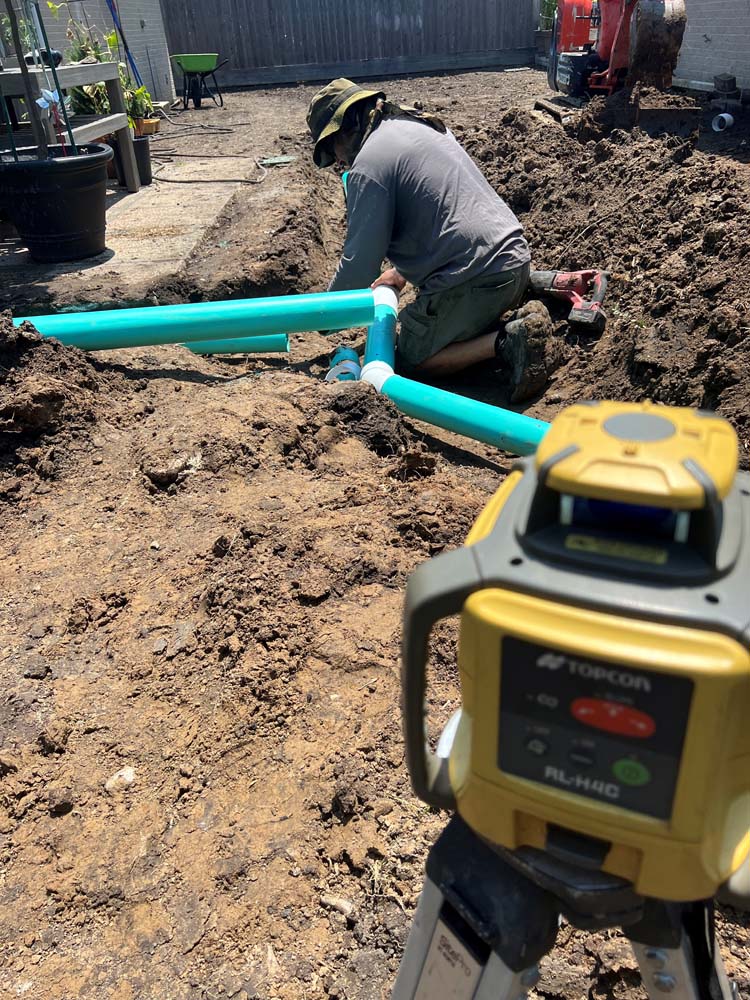
- French Drains: Underground pipes that collect and redirect water away from problem areas
- Catch Basins: Grates installed in low spots that funnel runoff into buried piping
- Downspout Extensions: Attachments that move roof water farther from the foundation
- Yard Grading: Reshaping the slope of the yard so water flows naturally away from the house
Table: Drainage Solutions and Benefits
| Solution | Benefit |
|---|---|
| French Drains | Move water away from soggy spots and protect lawns |
| Catch Basins | Collect and redirect runoff before it spreads across the yard |
| Downspout Extensions | Keep roof water away from the foundation |
| Yard Grading | Creates proper slope for long-term water management |
Seasonal Drainage Challenges
Spring and summer bring thunderstorms that drop several inches of rain in a matter of hours. Fall storms can combine heavy rainfall with leaves clogging gutters and downspouts. Even in winter, cold snaps can cause frozen ground that prevents proper absorption. A yard drainage system is not a seasonal solution. It works year-round to control water no matter the conditions.
Benefits Beyond Water Control
A drainage system does more than prevent puddles. It improves the overall health and appearance of the landscape.
- Grass grows stronger when roots are not constantly flooded
- Mulch and soil stay in place instead of washing away
- Flower beds hold their shape through repeated storms
- Outdoor spaces remain usable without soggy, muddy spots
Integrating Drainage with Other Systems
Drainage works best when included in the overall plan for the yard. Pairing drainage with landscape design ensures plants and hardscaping are positioned for maximum effectiveness. Coordinating drainage with sprinkler system installation balances water use, so irrigation supports healthy growth without overwhelming problem areas.
Cost vs Value of Drainage Systems
Some homeowners hesitate at the cost of drainage work. However, the return on investment is clear. Preventing water damage to a foundation or crawl space can save tens of thousands of dollars in repairs. Protecting a lawn from repeated replacement also saves money. A dry, healthy yard also adds value and appeal if the home is ever sold.
Maintenance of Yard Drainage Systems
Most drainage systems require little upkeep. Regular maintenance involves clearing leaves or debris from catch basins, checking downspout extensions for blockages, and inspecting French drains after major storms. Homeowners who stay on top of small maintenance tasks will enjoy reliable protection for years.
FAQ
Q: What is the best drainage system for a flat yard?
A French drain is often the best choice for flat yards because it collects water underground and moves it away even without much slope.
Q: How much does a drainage system cost in Louisiana?
Costs vary depending on the size of the property and the type of system installed. Small fixes like downspout extensions may be inexpensive, while complete systems with grading and French drains are more of an investment.
Q: Can I install a drainage system myself?
While small tasks like extending downspouts can be DIY, complete drainage systems require professional design and installation to ensure water moves properly across the property.
Q: Will a drainage system stop mosquitoes?
Yes. By eliminating standing water, drainage systems remove one of the main breeding grounds for mosquitoes.
Q: Does poor drainage damage home foundations?
Yes. Water that pools near a foundation seeps into cracks, causes soil shifting, and leads to costly structural repairs.
Clean Cut Expertise in Drainage
Clean Cut Landscape designs and installs drainage systems tailored to Louisiana weather and soil conditions. The team analyzes slope, soil, and water patterns before creating a system that delivers long-lasting results. With expert installation, homeowners protect both their yards and their homes.
Related Resource
Learn more about drainage and its importance in land management.